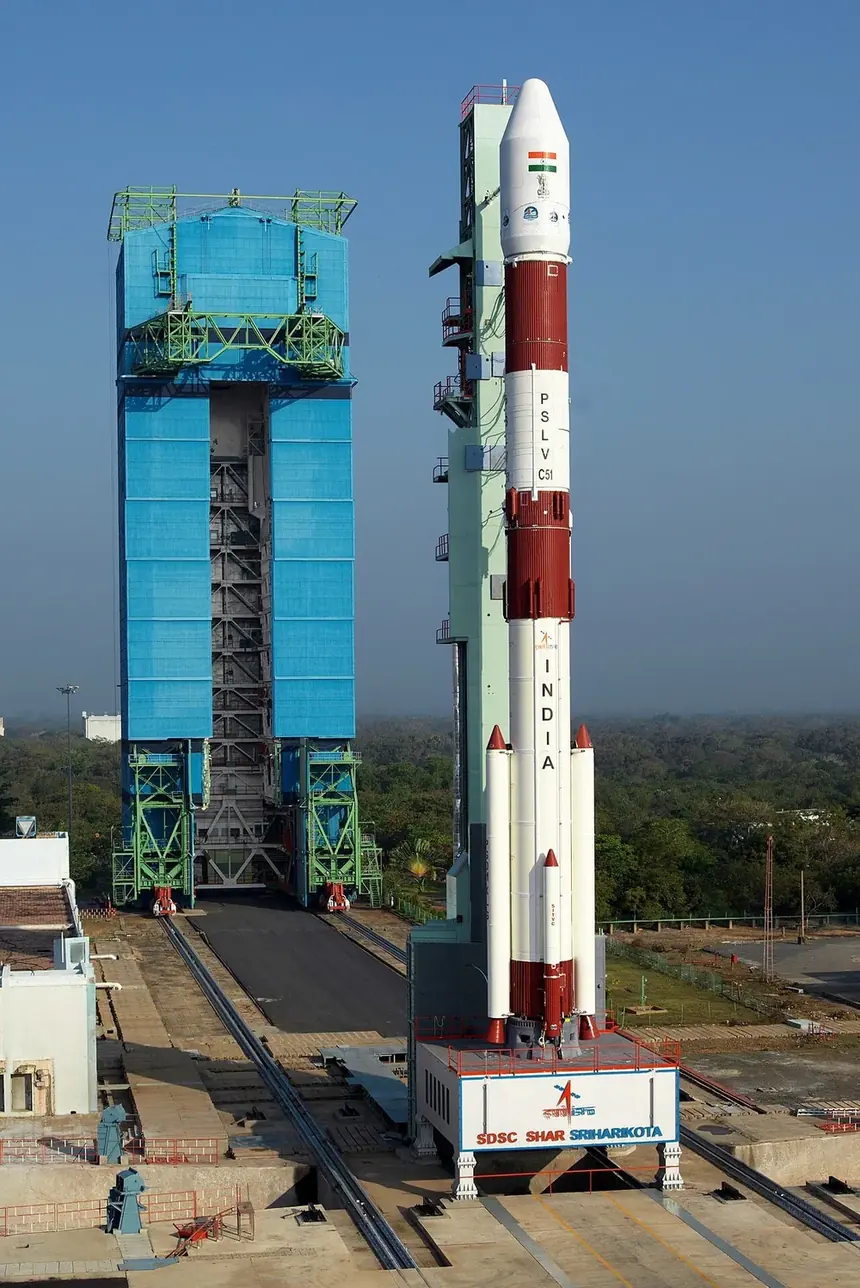
India builds its own rockets. They are named after the job they do, which makes them easier to understand than they first look.
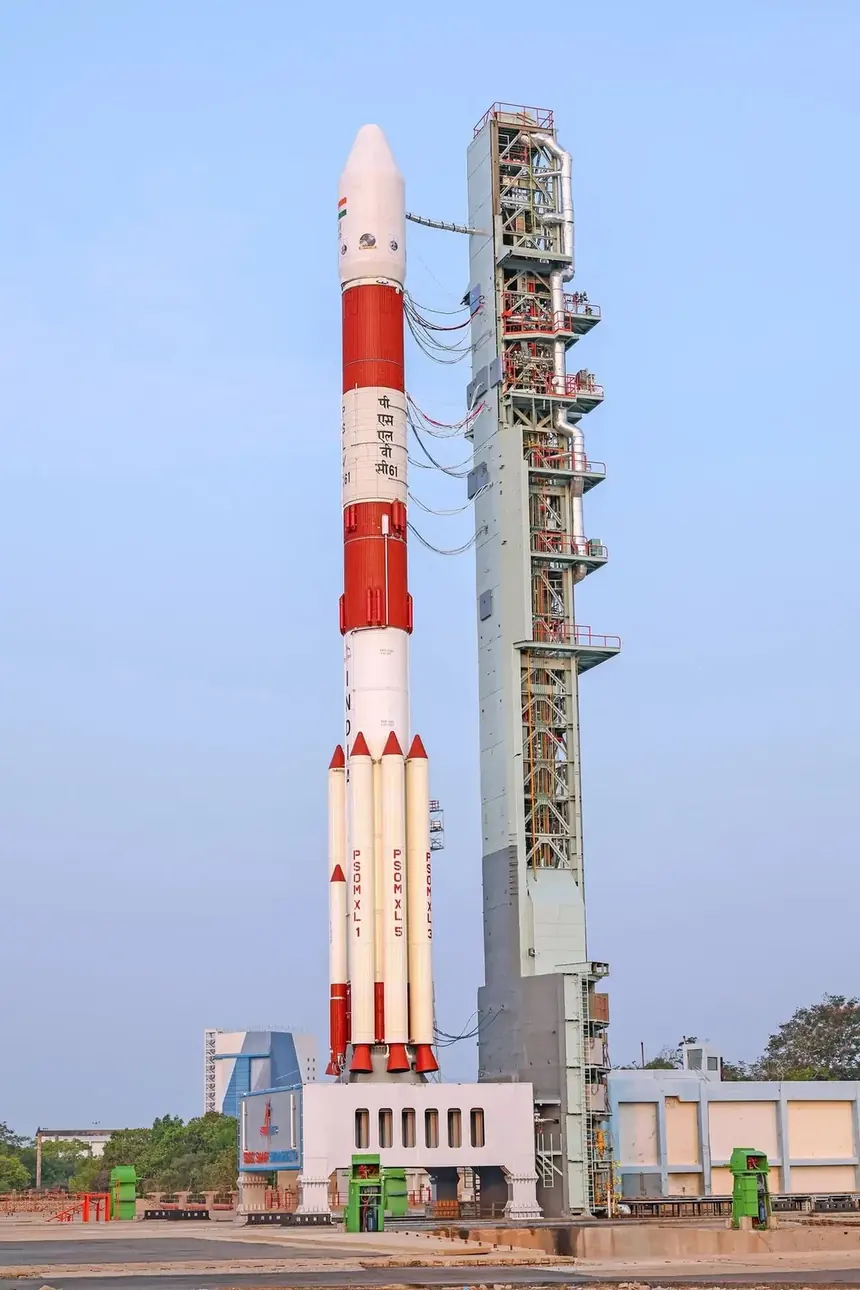
PSLV — the workhorse
The Polar Satellite Launch Vehicle is India's most reliable rocket. It has flown more times than any other Indian launcher and has carried satellites for many countries.
PSLV is used for Earth observation satellites and for science missions. Chandrayaan-1, Mangalyaan and Aditya-L1 all launched on a PSLV.
- Reliable and well tested
- Used for many foreign satellites
- Also used for India's Moon and Mars missions
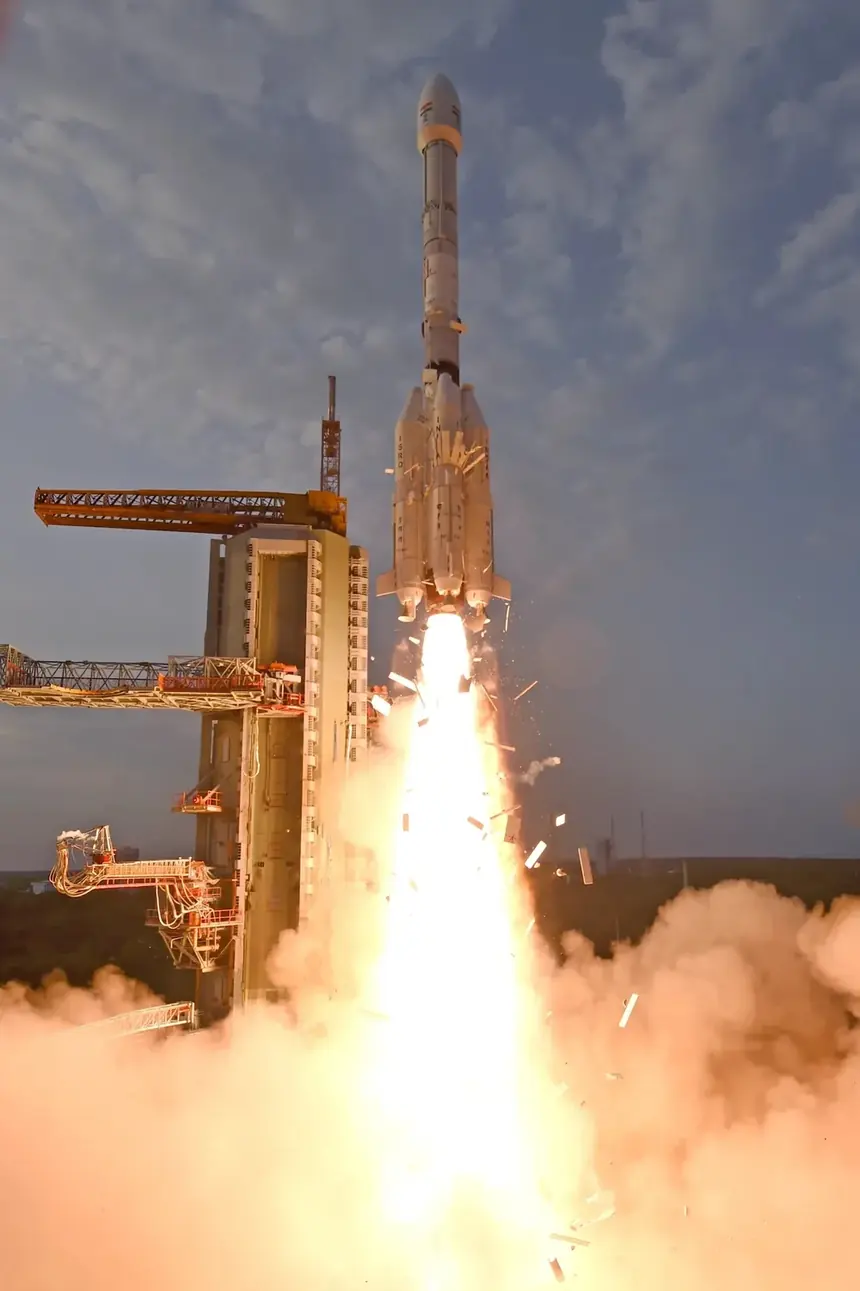
GSLV — for higher orbits
The Geosynchronous Satellite Launch Vehicle is built to carry heavier satellites to higher orbits. These are the orbits used by communication and weather satellites.
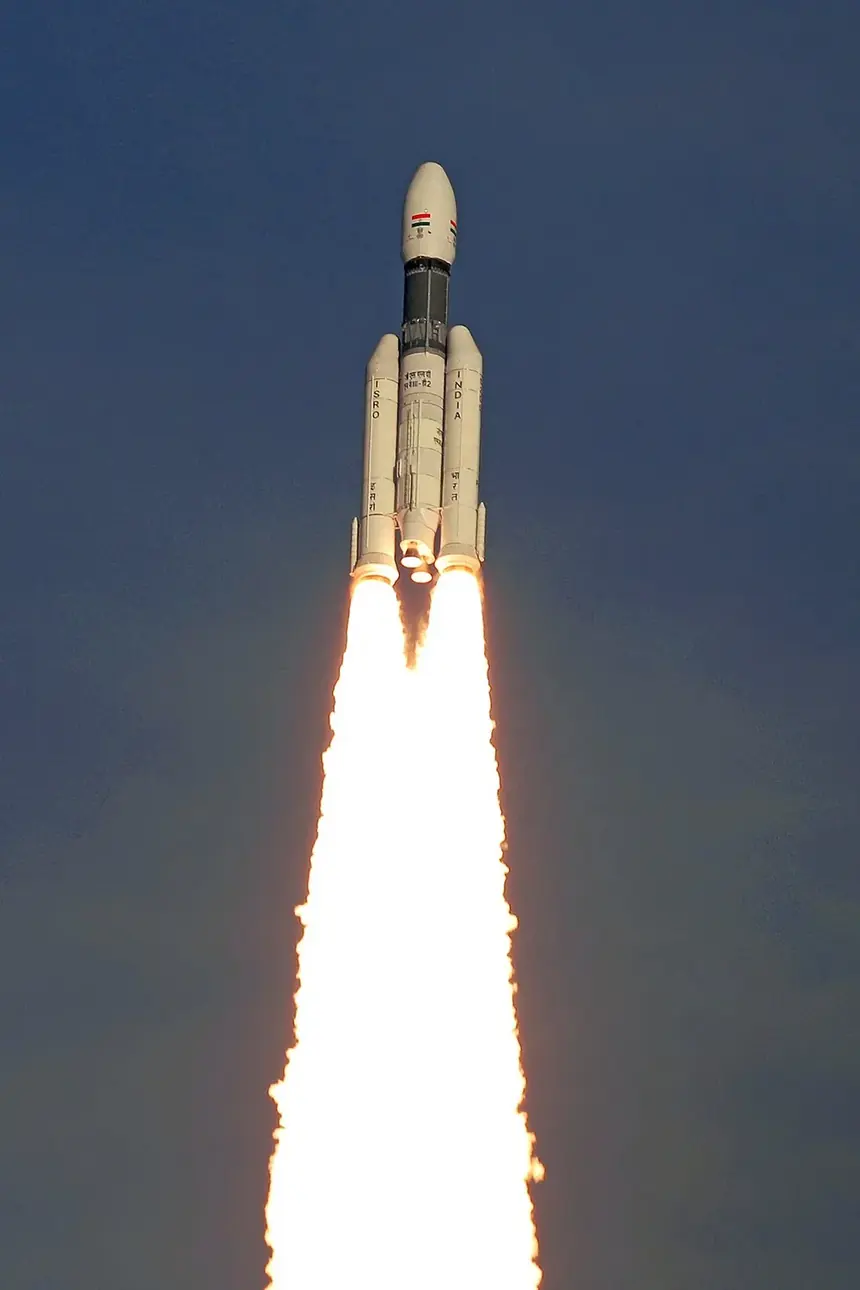
LVM3 — the heavy lifter
LVM3, once called GSLV Mk III, is India's most powerful rocket. It carries the heaviest satellites, and it is the rocket chosen for the Gaganyaan human spaceflight.
- India's most powerful launcher
- Used for heavy communication satellites
- Will carry astronauts on Gaganyaan
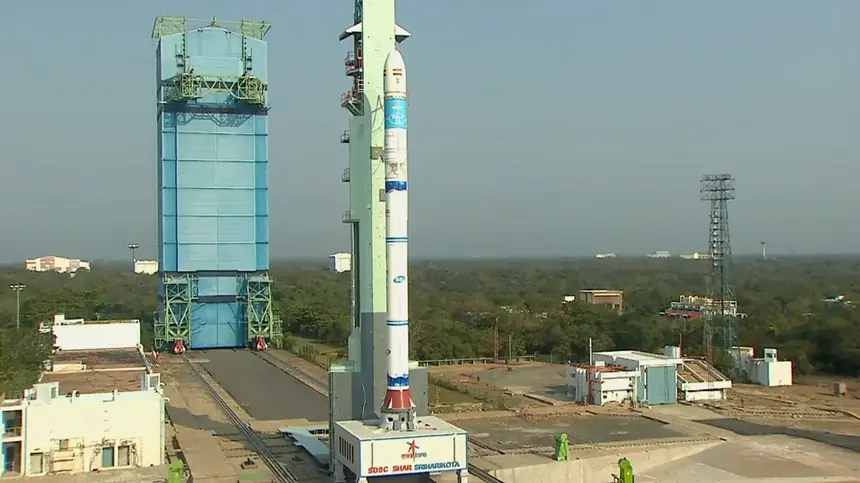
SSLV — the small one
The Small Satellite Launch Vehicle is India's newest rocket. It is designed for small satellites that need a quick, low-cost launch.