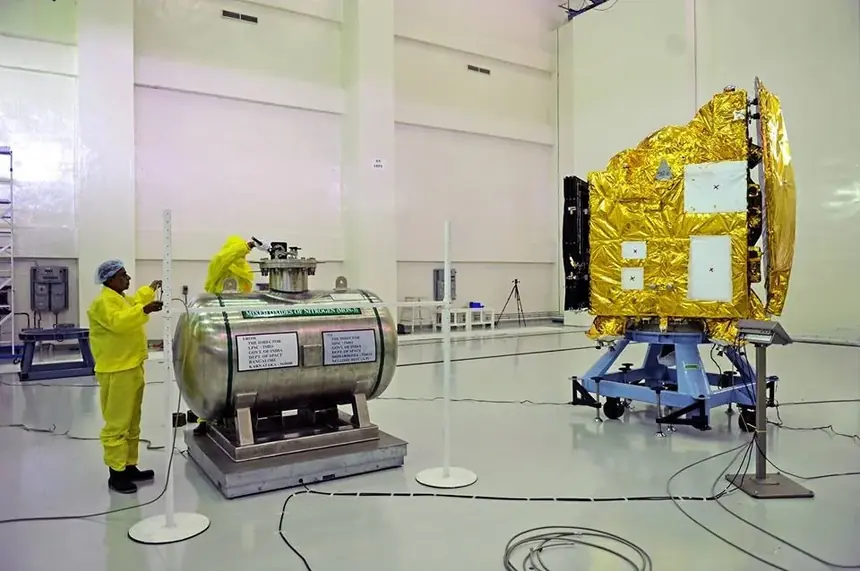
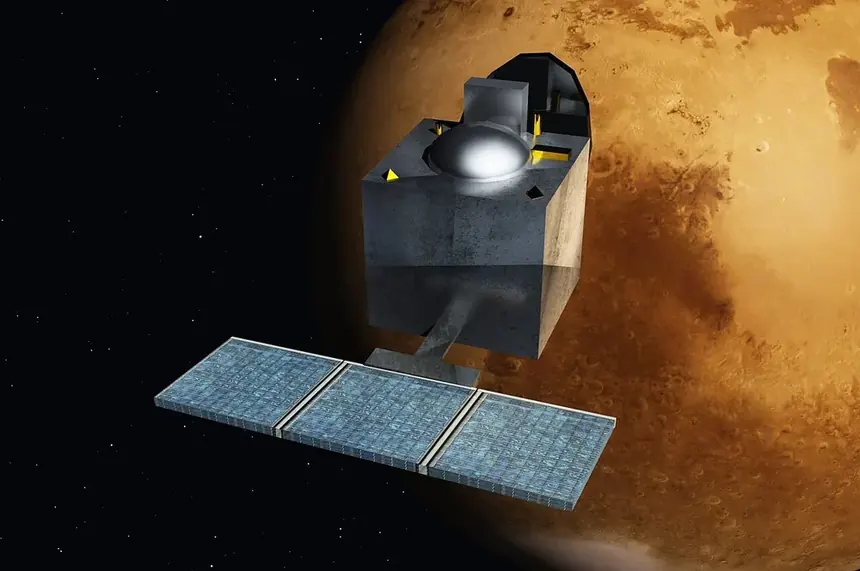
In November 2013, India launched a spacecraft to Mars. Ten months later, it entered orbit around the planet. India had reached Mars on its very first attempt — something no other country had managed.
The mission was called the Mars Orbiter Mission, but most people know it as Mangalyaan.
Why was it so hard?
Most Mars missions fail. Before Mangalyaan, more than half of all attempts to reach Mars had ended in failure. The journey is long, the timing has to be exact, and the spacecraft has to work perfectly after months of silence.
- Mars and Earth line up only once every 26 months
- The spacecraft must fire its engine after a long cruise, with no second chance
- Communication takes several minutes, so the craft must act on its own
How did India do it cheaply?
Mangalyaan is famous for its low cost. It used a smaller rocket than most Mars missions, and instead of flying straight to Mars, the spacecraft looped around Earth several times to build up speed before heading out.
That technique took longer, but it worked with a much smaller launcher.
What did it find?
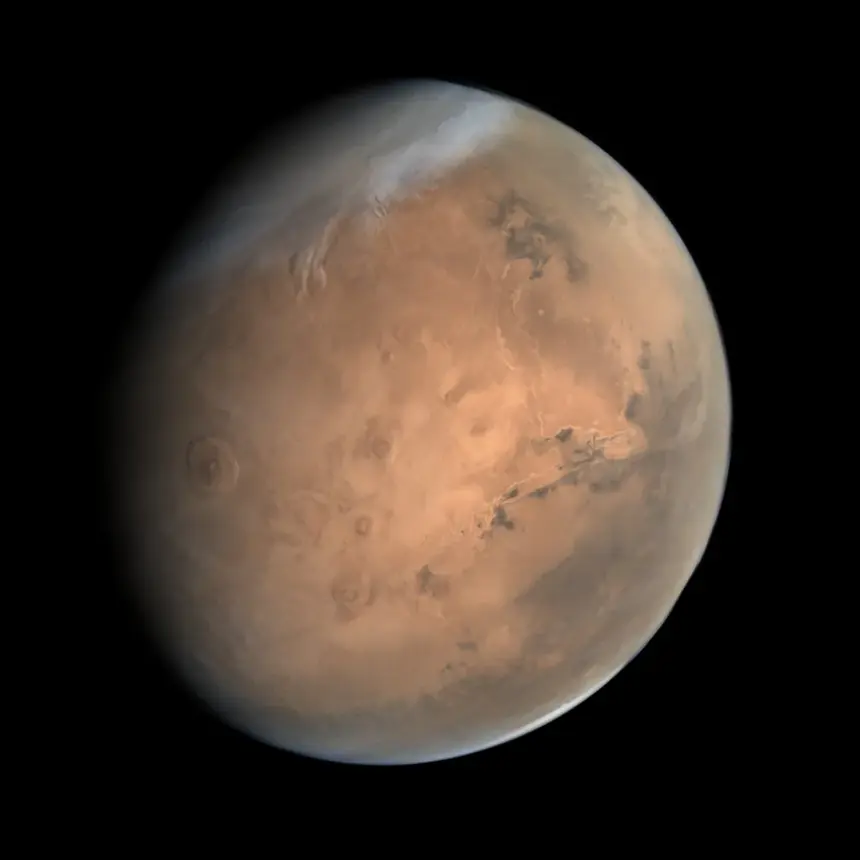
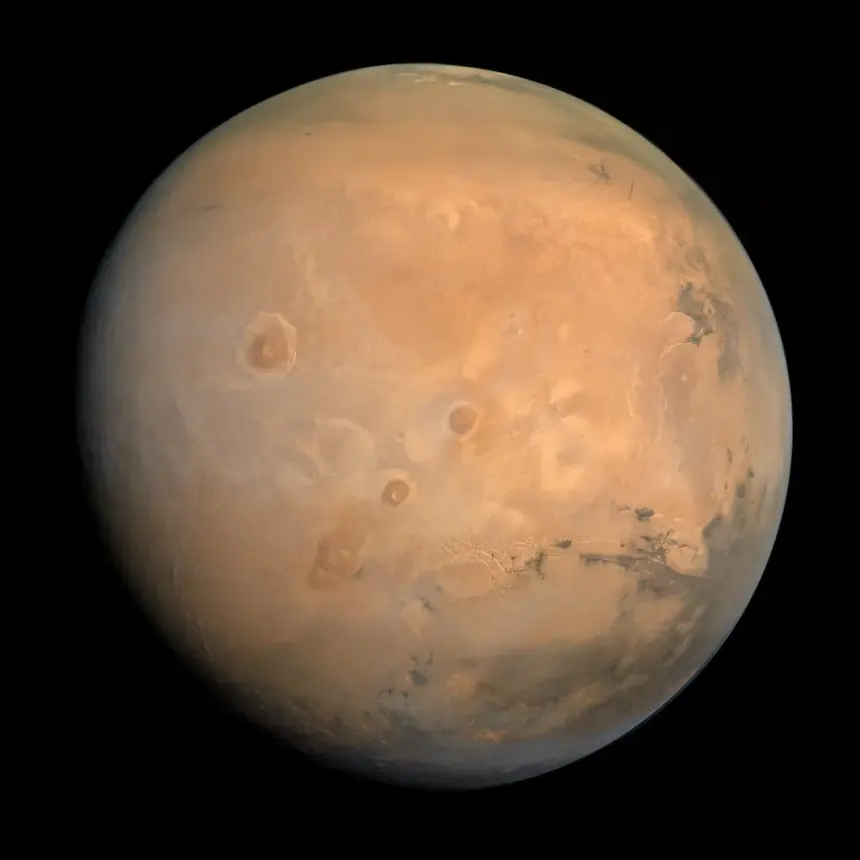
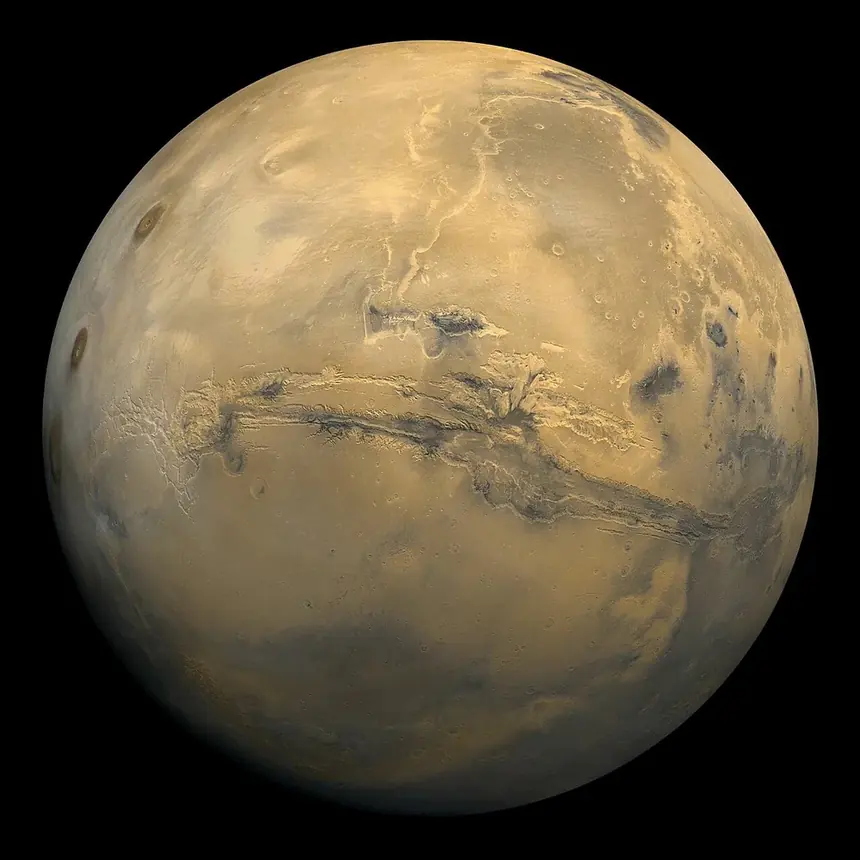
The spacecraft studied the Martian surface, atmosphere and mineral composition. It took thousands of images and measured gases in the thin Martian atmosphere, including methane.
What is its legacy?
Mangalyaan was designed to last six months. It kept working for about eight years, far longer than planned. It proved that India could run a deep-space mission — and it made the country's later missions possible.