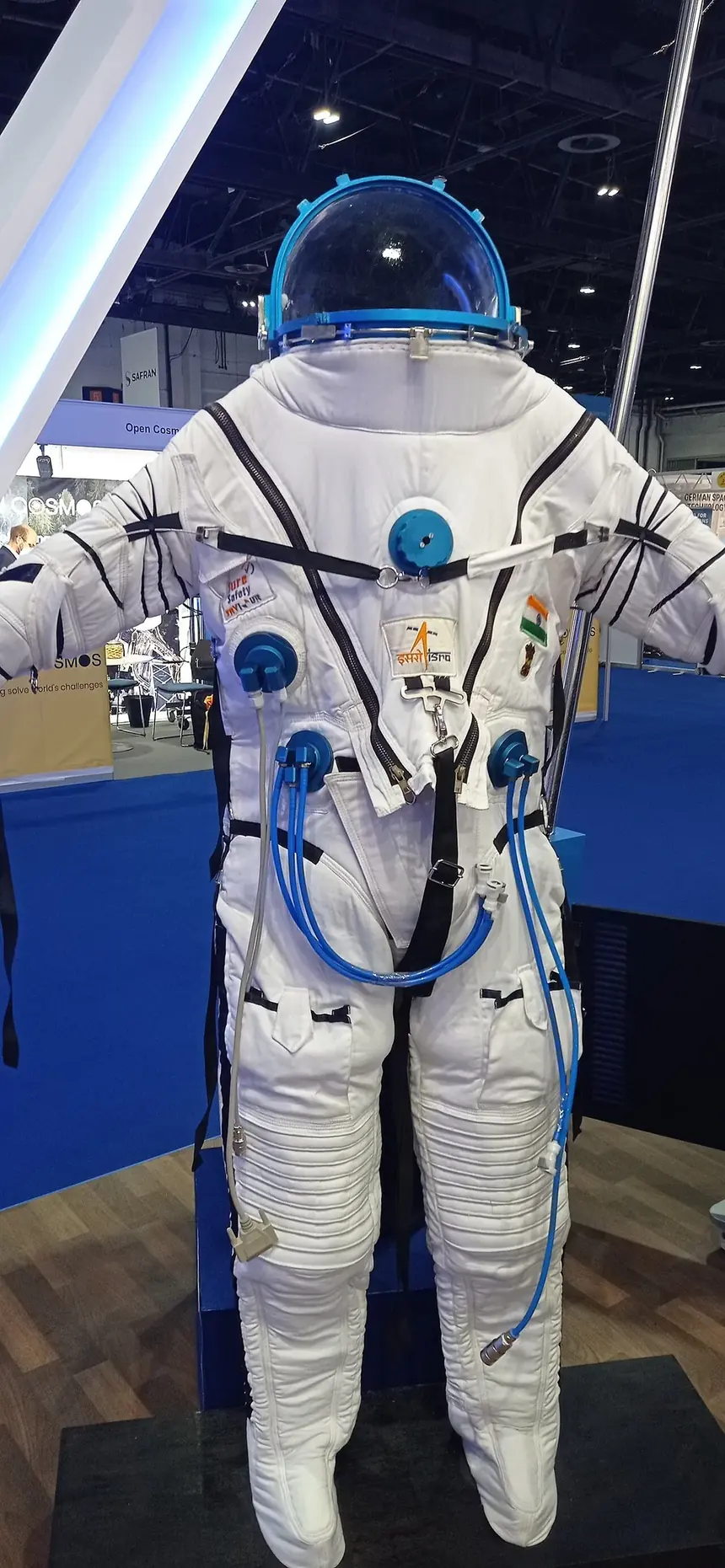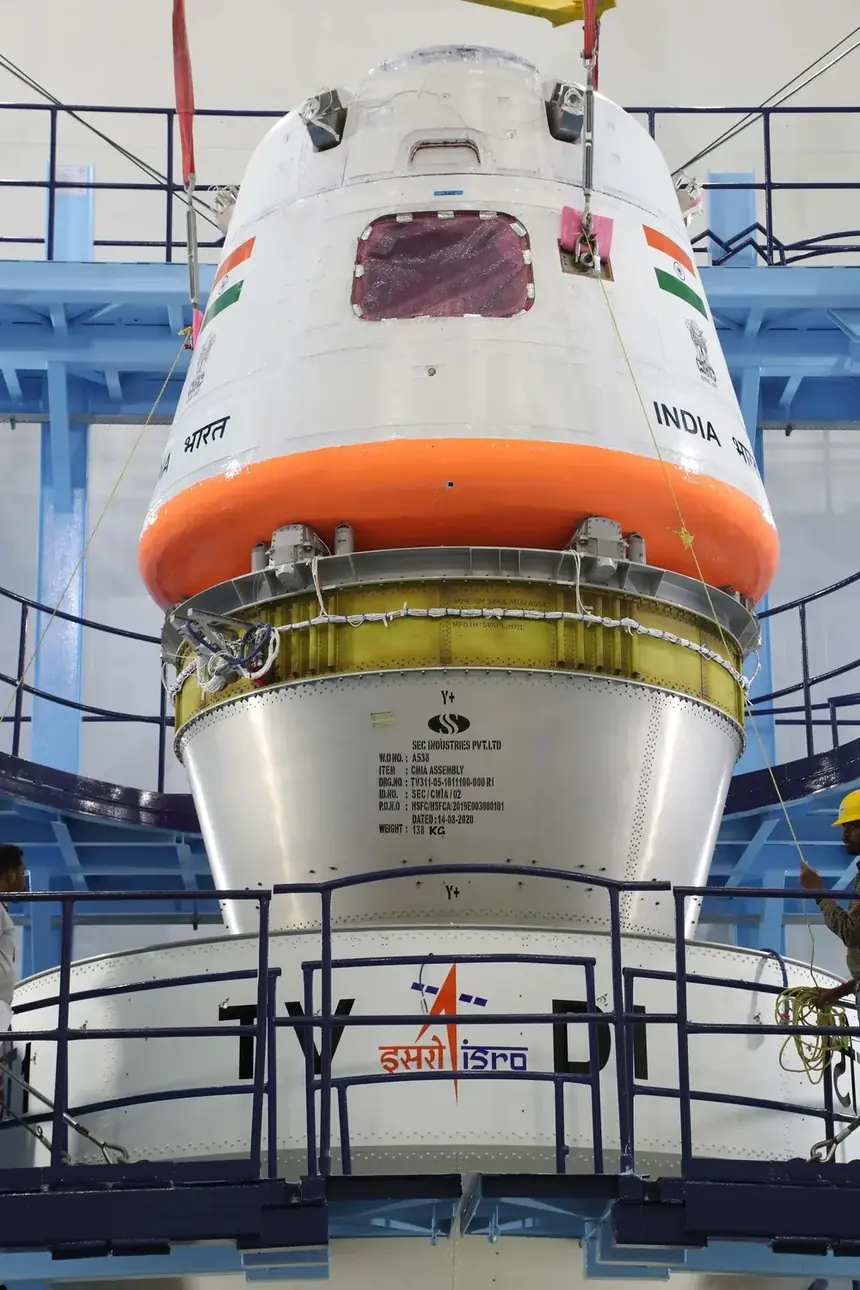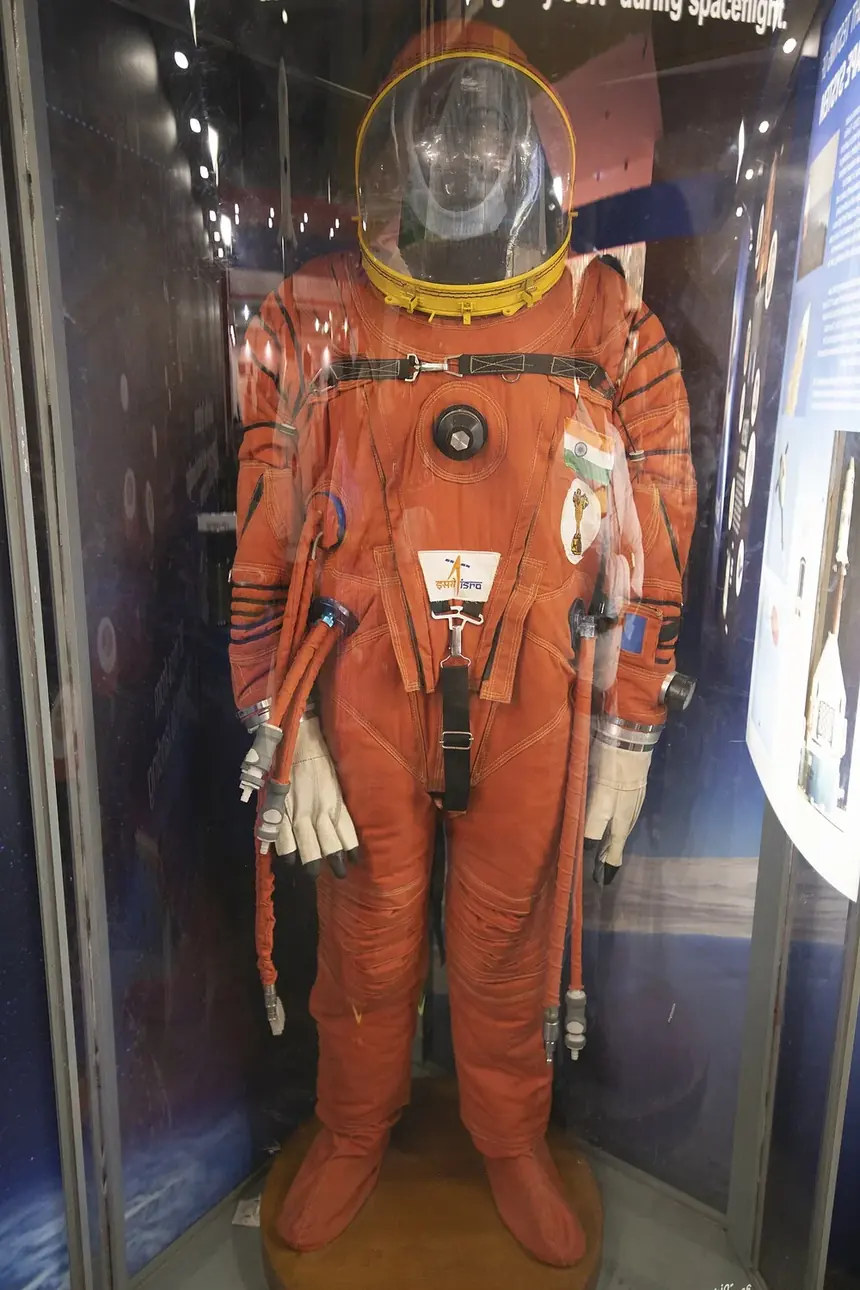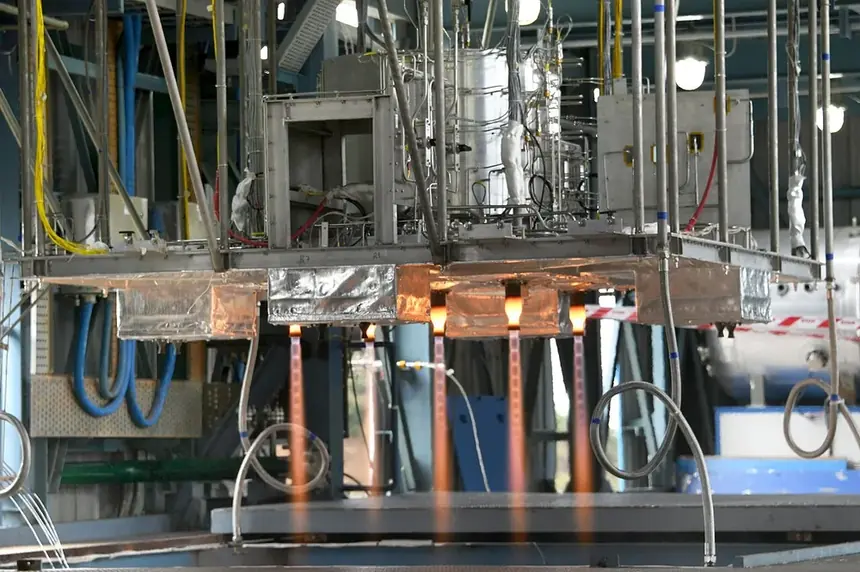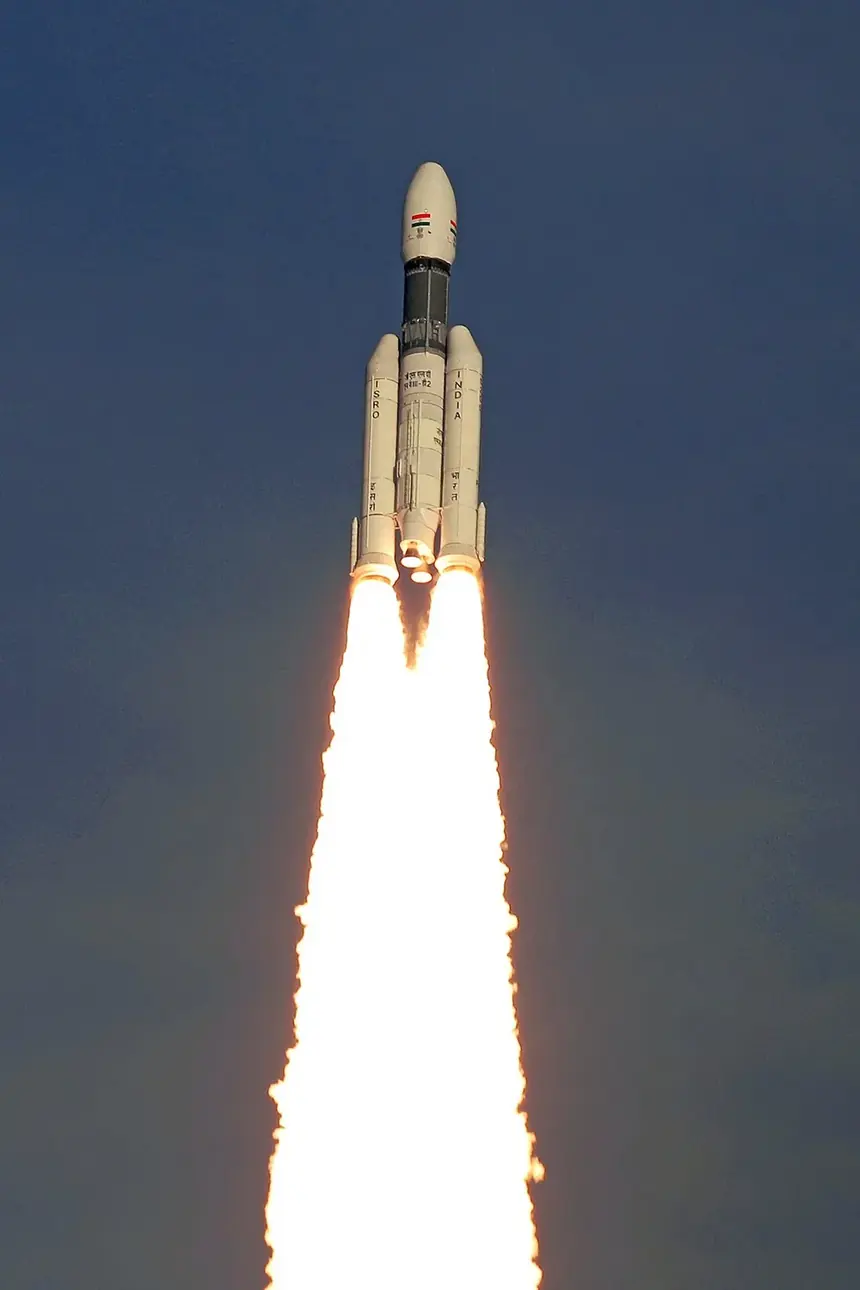
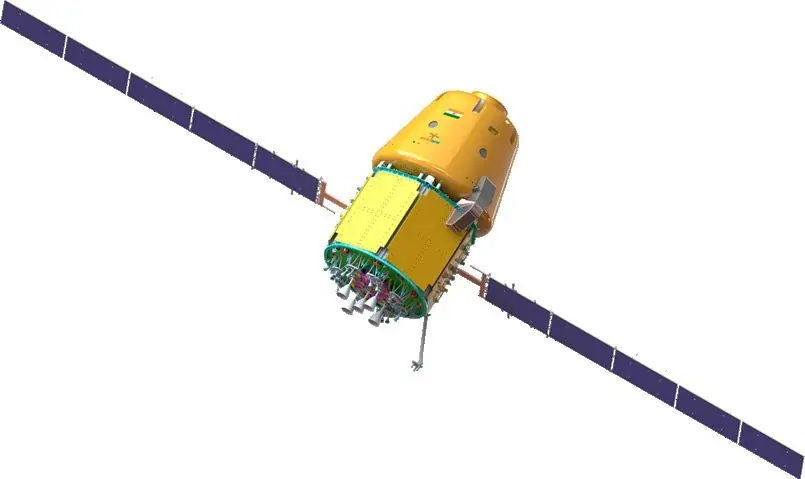
Gaganyaan is India's first human spaceflight programme. The plan is to send Indian astronauts to low Earth orbit, about 400 km above the Earth, and bring them home safely.
Only three countries have sent people to space on their own rockets so far: Russia, the United States and China. Gaganyaan aims to make India the fourth.
What will the mission look like?
The crew will travel in a capsule carried by the LVM3 rocket, India's most powerful launch vehicle. The capsule is designed to carry up to three astronauts for a mission lasting up to three days in orbit.
- A crew module, where the astronauts sit
- A service module, which provides power and life support
- A launch escape system, which can pull the crew away if something goes wrong
How is it being tested?
ISRO is testing the mission in steps rather than all at once. In October 2023, the agency ran a test of the crew escape system. A test vehicle lifted off and then deliberately pushed the crew module away to prove the escape system works.
Next come uncrewed flights. These will fly the capsule to orbit without astronauts, to check every system before anyone is on board.
Why is this hard?
Sending people to space is far harder than sending machines. A satellite does not need air, water, food, a toilet, or a way to come home. A crew does.
What comes after?
If Gaganyaan works, ISRO plans to build a small national space station. After that, the long-term goal is to send Indian astronauts to the Moon.