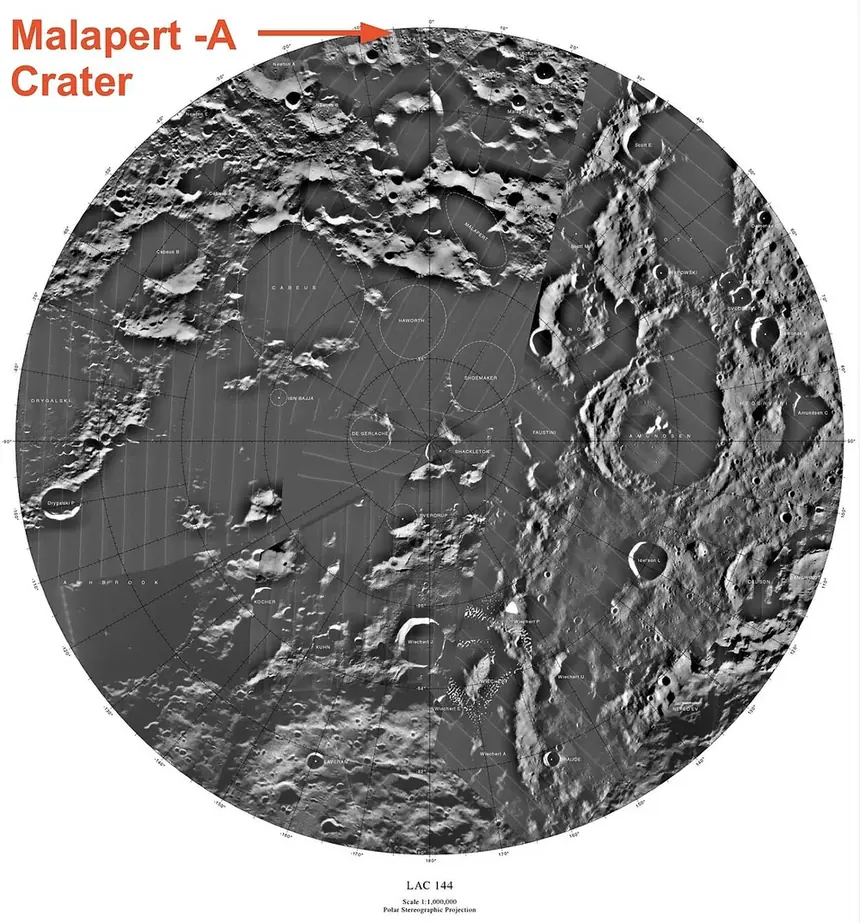
For a long time, scientists thought the Moon was completely dry. It has no air, no rivers and no rain. But in 2009, that idea changed.
India's first Moon mission, Chandrayaan-1, carried a NASA instrument called the Moon Mineralogy Mapper. Its readings helped confirm that water molecules exist on the lunar surface.
What exactly was found?
The instrument found signs of water and hydroxyl — a related molecule — on the surface, especially near the poles. The amounts are tiny, far less than in any desert on Earth. But they are there.
Why does it matter?
Water is heavy. Carrying it from Earth to the Moon is expensive. If water can be found on the Moon, future missions could use it instead of bringing it all from home.
- Water can be split into hydrogen and oxygen for rocket fuel
- Oxygen is needed for astronauts to breathe
- Ice in dark craters may have been there for billions of years
How was it confirmed?
The discovery did not come from one mission alone. Several spacecraft, from different countries, found matching signs. Chandrayaan-1 was a key part of that picture.
Why the poles?
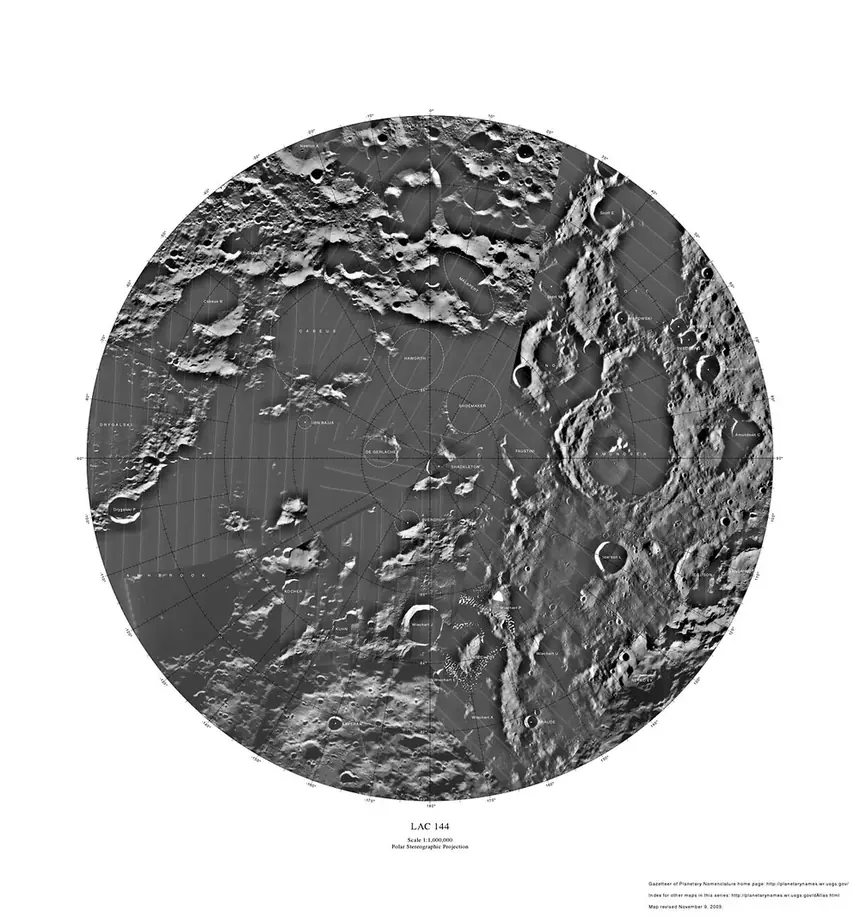
The Moon's poles have craters that never see sunlight. These permanently shadowed regions are extremely cold — cold enough to trap water ice for a very long time.
That is why Chandrayaan-3's landing near the south pole was important, and why later missions are heading to the same region.