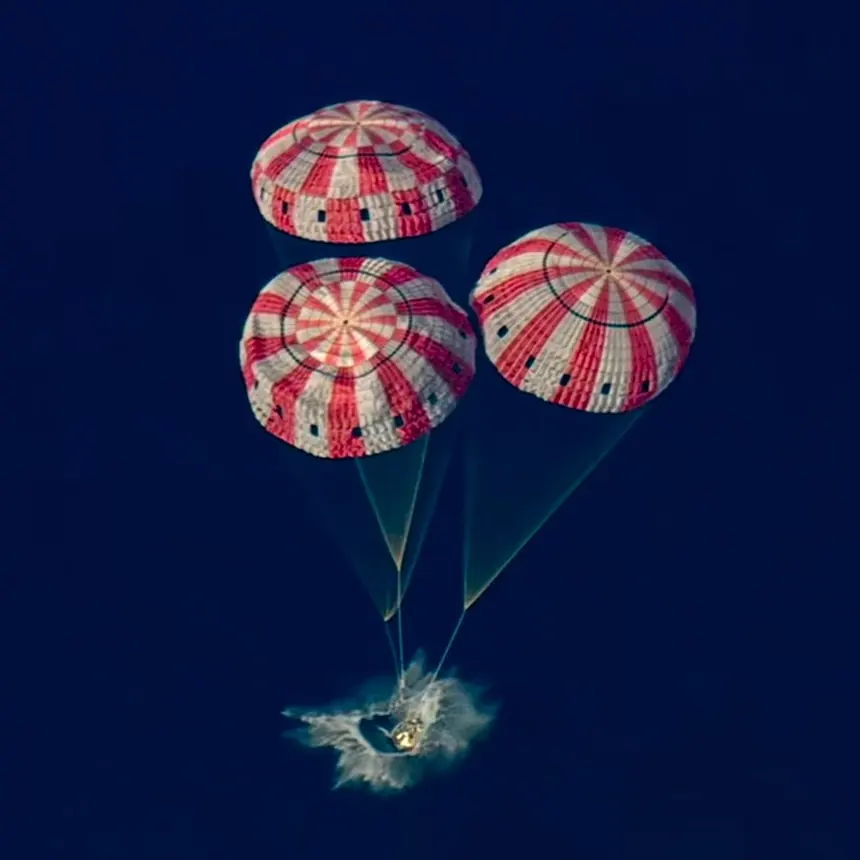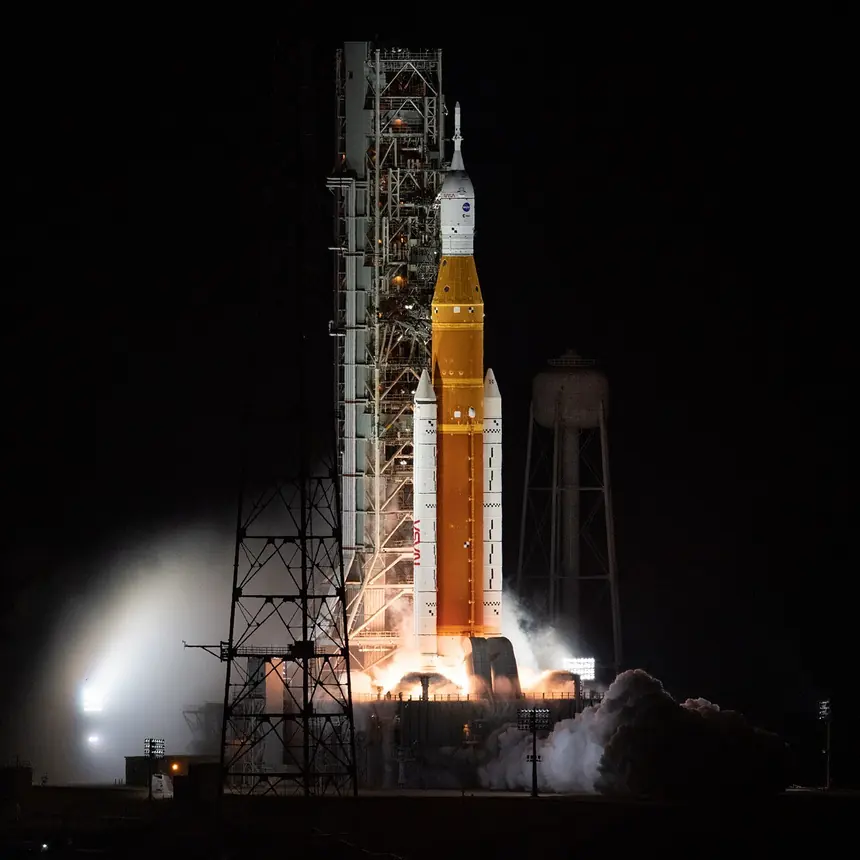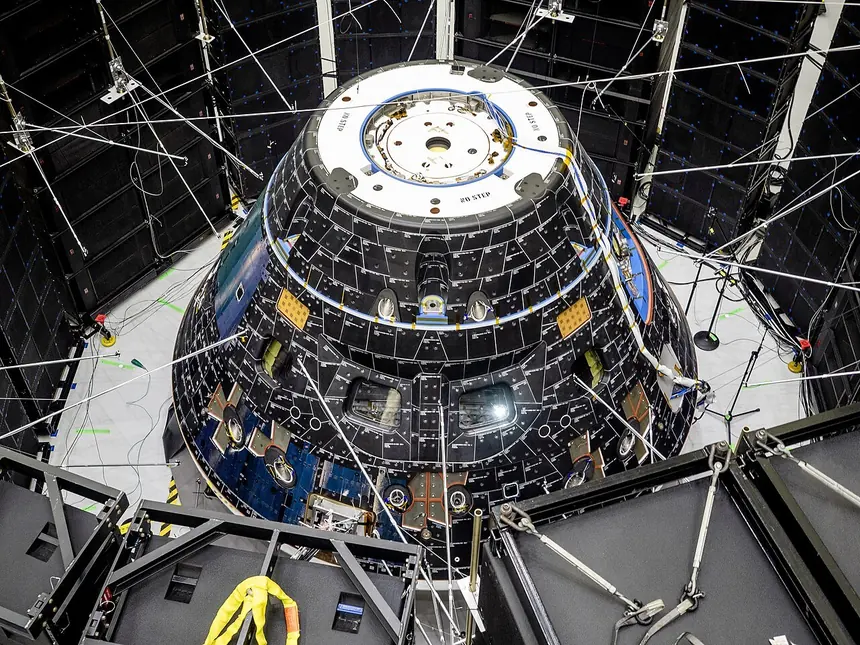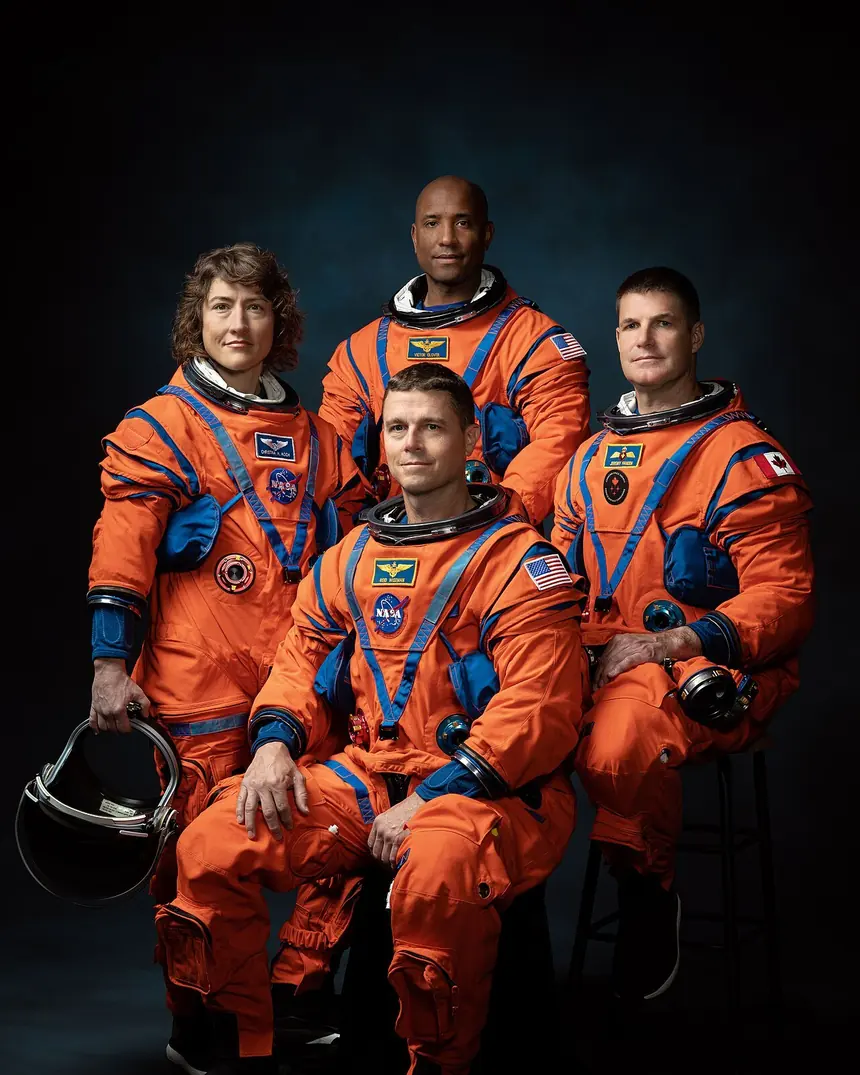
For the first time since 1972, humans have travelled to the Moon. Artemis II carried four astronauts around the far side of the Moon and back to Earth, on a journey of about ten days.
The crew did not land. That was never the plan. Artemis II was a test flight, and its job was to prove that the spacecraft can keep people alive in deep space.
What did the crew do?
The mission was mostly about testing systems. The astronauts flew the spacecraft by hand, checked the life-support and navigation equipment, and practised the manoeuvres that later missions will need.
They also became the farthest humans have ever travelled from Earth, passing the record set by Apollo 13 in 1970 by about 4,000 miles.
What did they see?
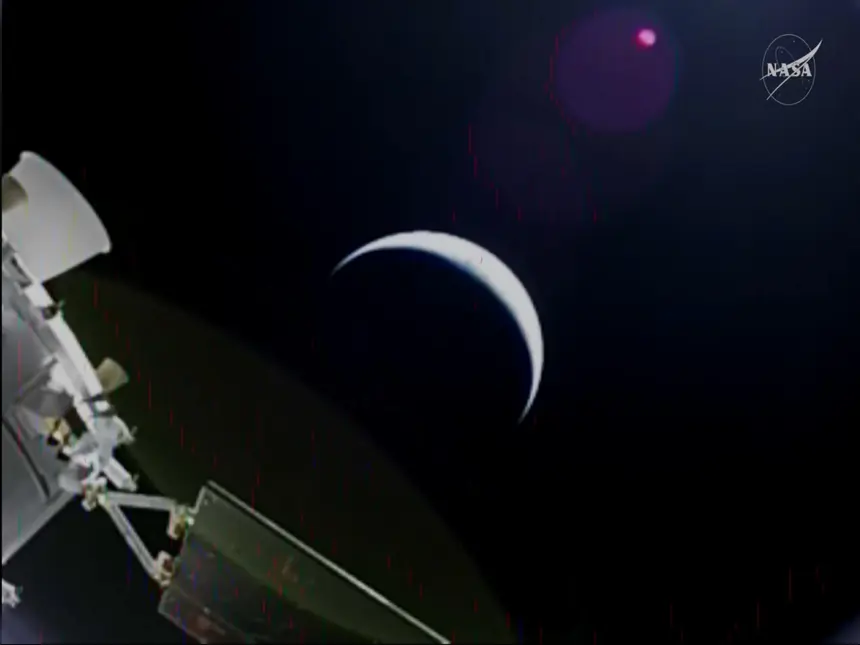
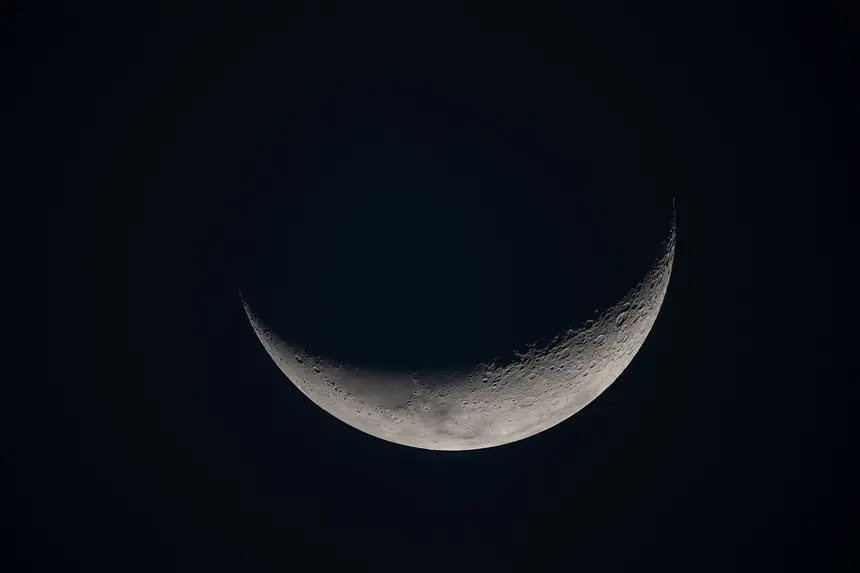
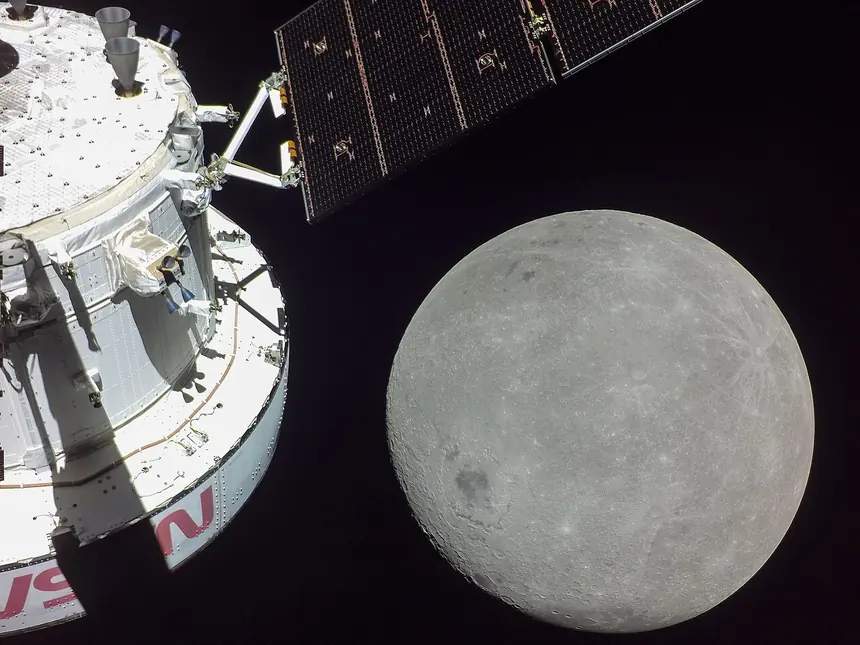
On the way out, the crew watched the Earth shrink behind them. Near the Moon, they observed the lunar surface directly, looking for details that cameras and robots can miss.
They also caught a solar eclipse from space, with the Moon blocking the Sun as seen from their spacecraft.
Why does this matter for India?
Artemis is not only an American programme. India is part of the wider return to the Moon, and the technologies being proven now, from life support to docking, are the same ones every crewed lunar programme needs.
India's own path to the Moon runs through Gaganyaan and then the Bharatiya Antariksh Station. Watching Artemis work is watching the future that India is building towards.
What comes next?
The next Artemis mission is planned as a crewed demonstration in Earth orbit, testing the rendezvous and docking that a lunar landing requires.
After that, the plan is a crewed landing near the Moon's south pole, the same region Chandrayaan-3 explored.