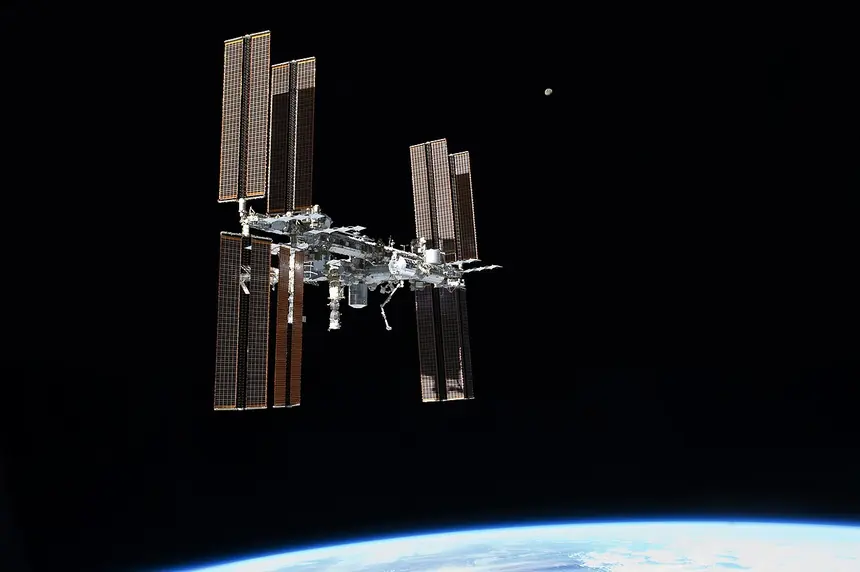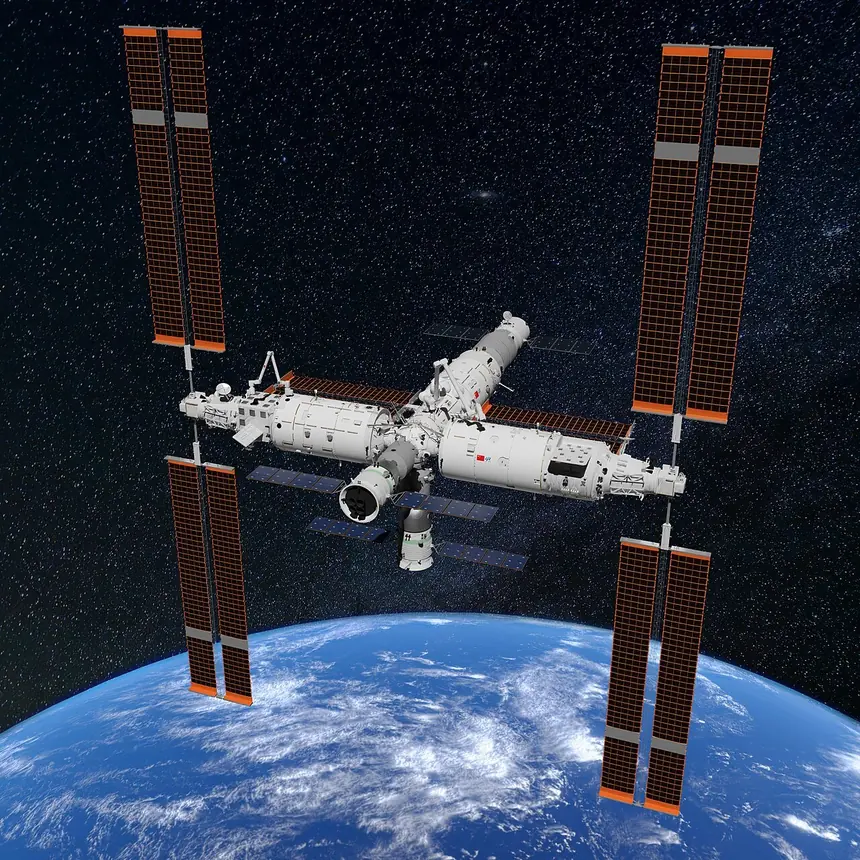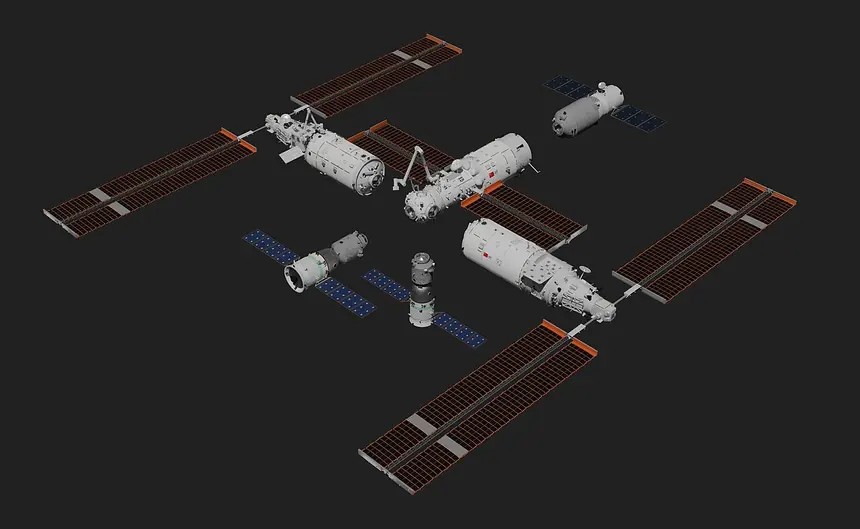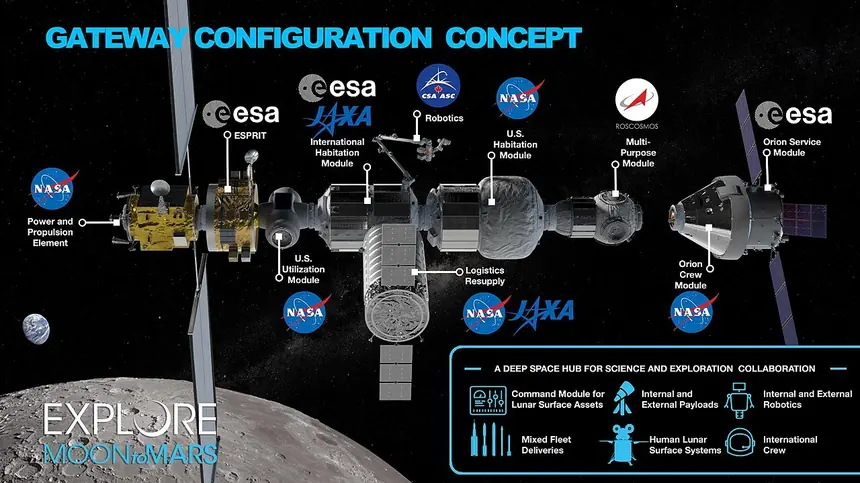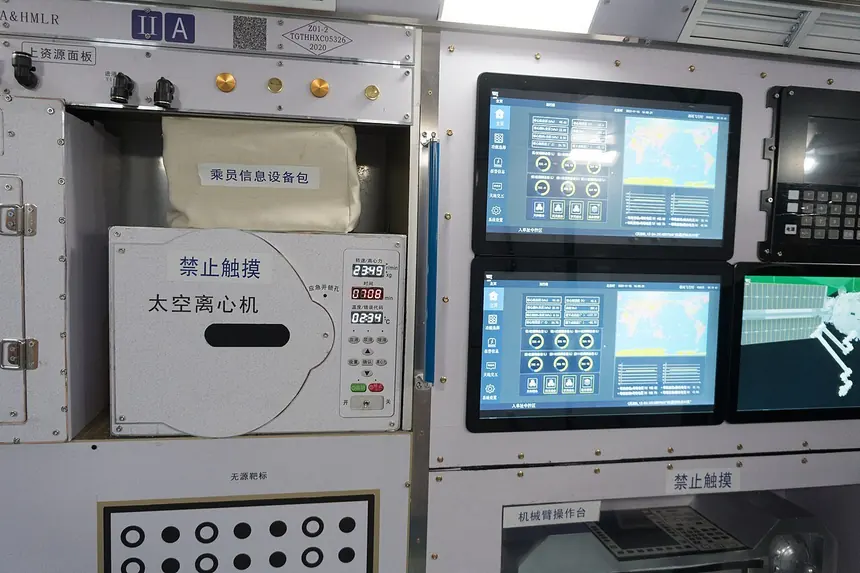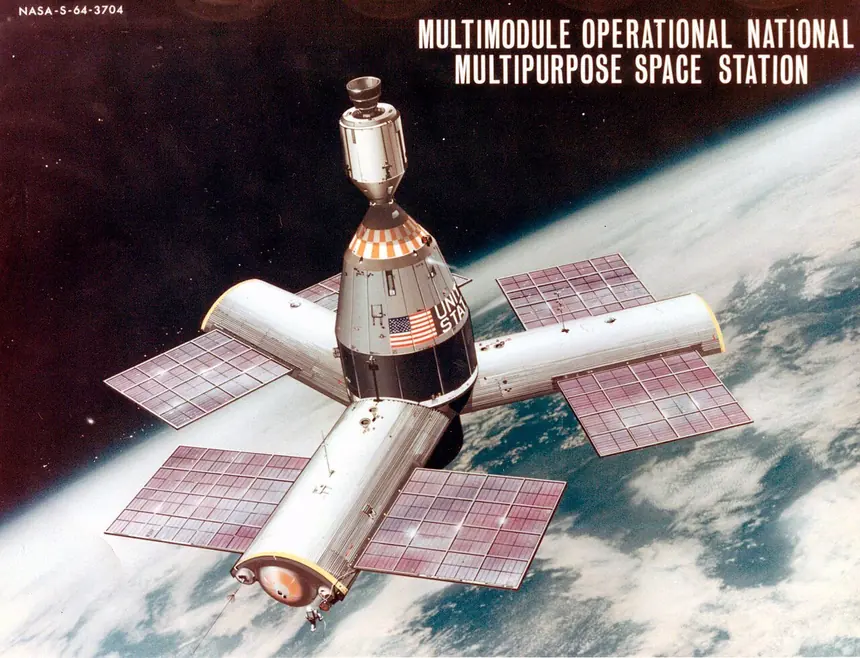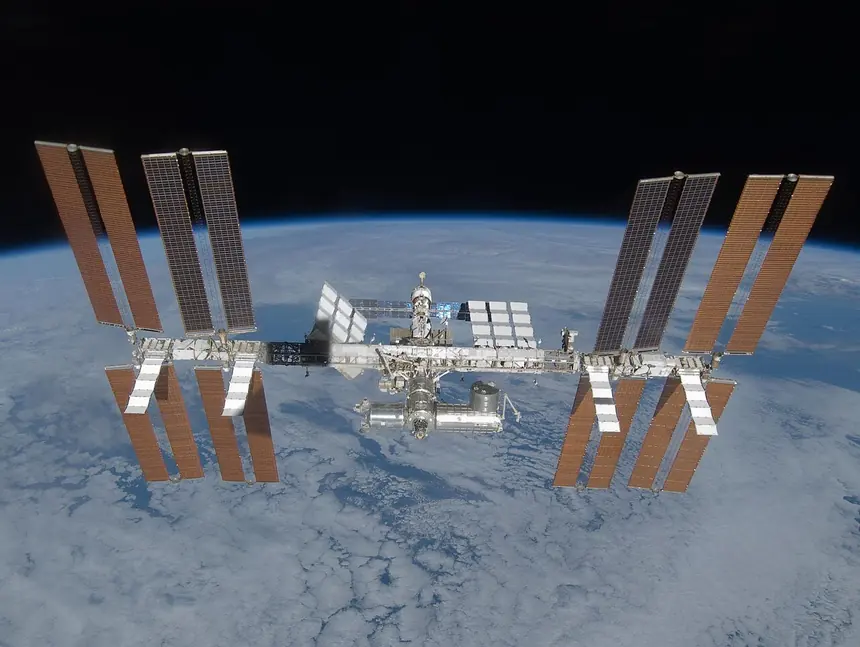
Only three countries have ever operated their own space station. India plans to become the fourth.
The Bharatiya Antariksh Station, or BAS, is India's planned orbital laboratory. The first module has been approved, and ISRO is aiming to have the station in orbit by 2035.
What is a space station for?
A space station is a laboratory that stays in orbit for years. Because it is permanent, experiments can run for months rather than days, and crews can be swapped in and out.
The station would orbit about 400 kilometres above the Earth, where astronauts could stay for 15 to 20 days at a time.
- Research on how the human body changes in space
- Experiments in medicine and materials science
- A testbed for the technologies India needs for a Moon landing
- A place to grow the skills that only come from living in orbit
What will it look like?
The plan is for a station of five modules, weighing roughly 20 tonnes. The first module is called BAS-01 and is being developed as part of the expanded Gaganyaan programme.
It will be assembled in orbit, module by module, over several years.
Why does India want one?
India's space programme has reached the point where the next step is people. Sending an astronaut to the Moon means first learning how to live and work in orbit for long periods.
A national space station gives India somewhere to build that experience on its own terms, without depending on another country's hardware.
How does it connect to Gaganyaan?
Everything depends on Gaganyaan, India's first crewed spaceflight. The crew capsule, the life-support systems and the docking technology being developed for Gaganyaan are the same building blocks the station needs.
India has already tested autonomous docking in orbit with the SpaDeX mission, which made it the fourth country to demonstrate the capability.
When will it happen?
The first module is targeted for around 2028, with the full station planned by 2035. Both dates depend on Gaganyaan flying successfully first.