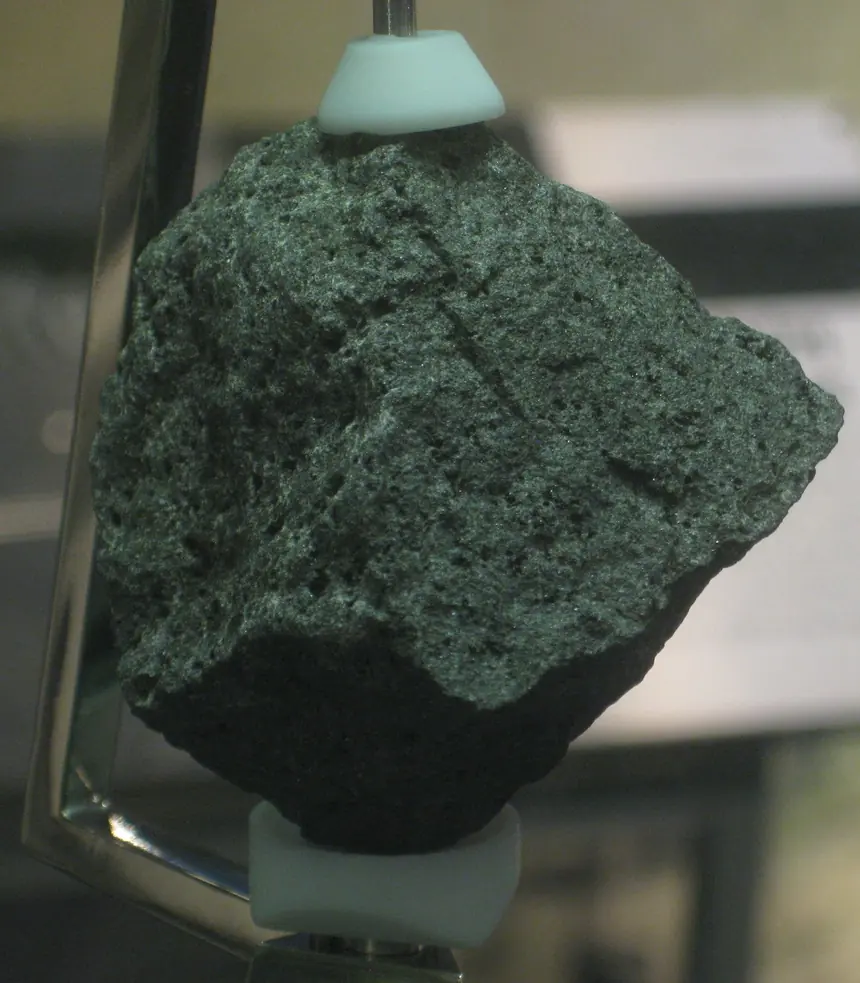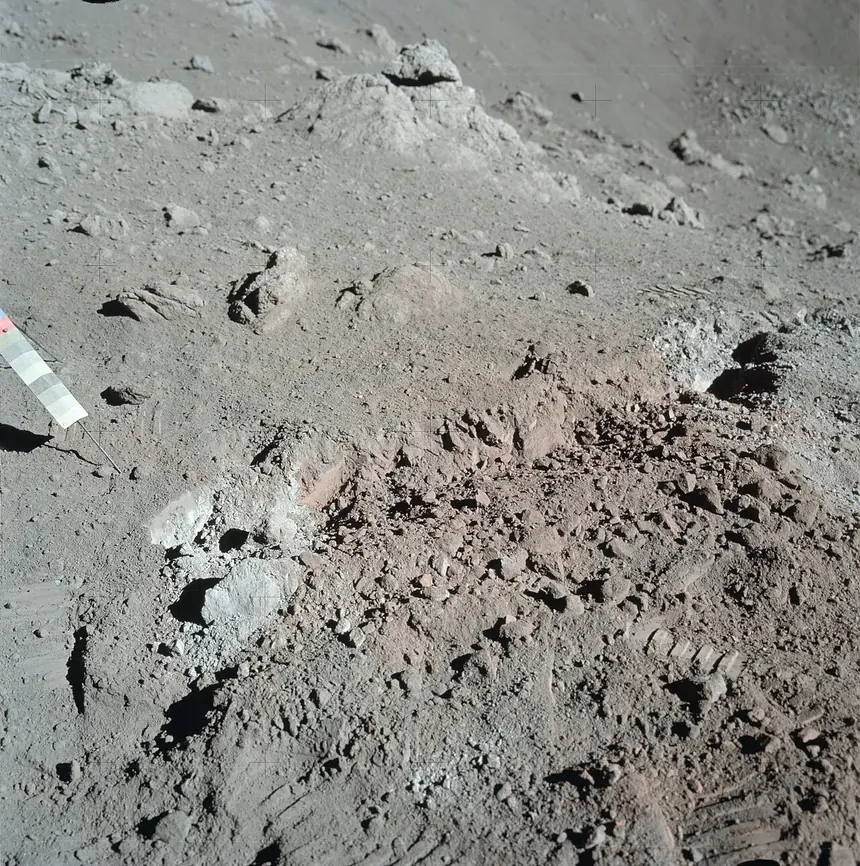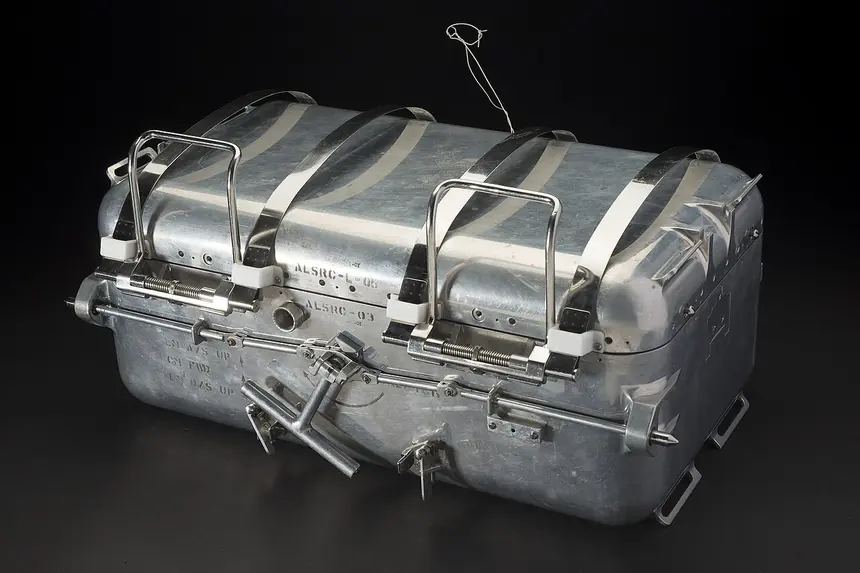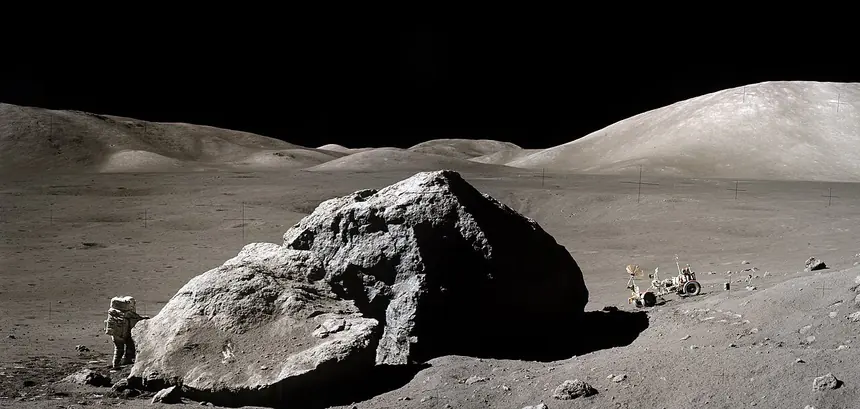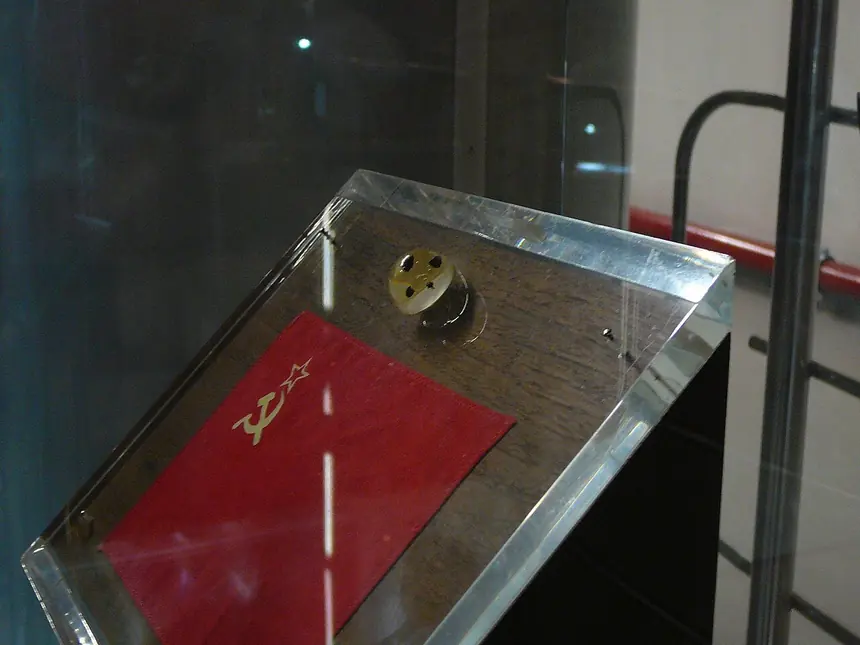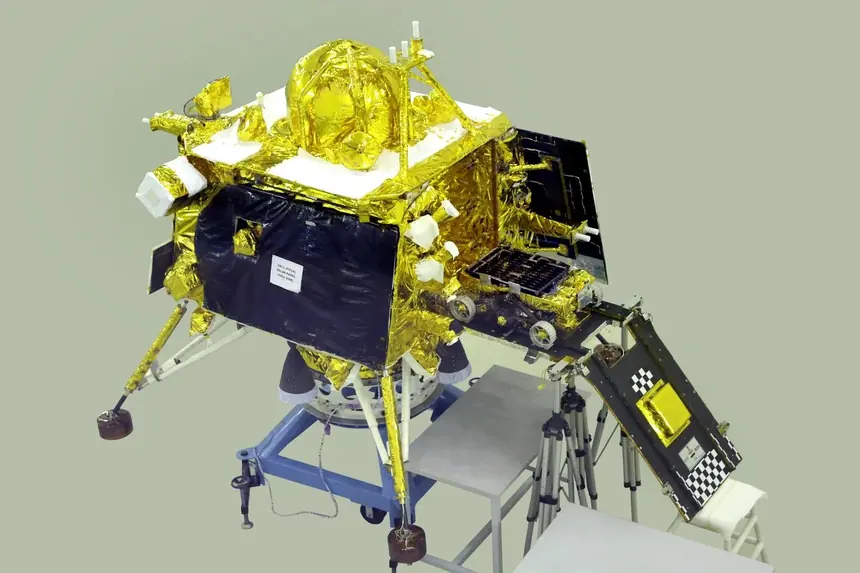
Every Moon mission India has flown so far has been one-way. Chandrayaan-4 changes that. It is designed to land on the Moon, pick up samples of lunar soil and rock, and bring them all the way back to Earth.
If it works, India will join the United States, the Soviet Union and China as the only countries to have returned material from the Moon.
Why bring samples back?
A robot on the Moon can only study what is in front of it. A sample in a laboratory on Earth can be studied for decades, with every new instrument scientists build.
- Laboratories on Earth are far more powerful than anything you can send to the Moon
- The same sample can be re-tested years later with better equipment
- Samples can be shared between research groups around the world
How does it work?
Chandrayaan-4 is not one spacecraft but several modules working together, launched on two rockets. The plan has four main parts.
- A lander that touches down and drills into the surface
- An ascender that lifts the sample off the Moon
- A transfer module that carries the sample in lunar orbit
- A re-entry module that brings it safely through Earth's atmosphere
The hardest part is not landing. It is the rendezvous and docking in lunar orbit, where one spacecraft must find and connect to another with no help from the ground.
Why is this hard?
Bringing something back from the Moon is much harder than going there. You need a rocket to leave the lunar surface, a second rocket to leave lunar orbit, and a heat shield strong enough to survive re-entry at about 11 kilometres per second.
When is it happening?
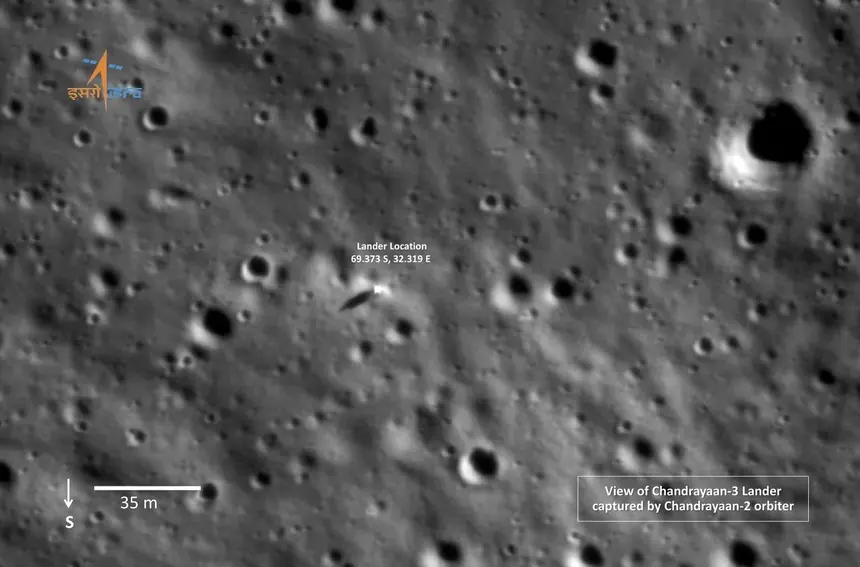
Chandrayaan-4 is planned for around 2027. It builds directly on Chandrayaan-3, which proved that India can land softly near the Moon's south pole.
After Chandrayaan-4, the plan continues with Chandrayaan-5, a joint mission with Japan, which will search for water ice near the lunar poles.